


Frequently Asked Questions
General Information
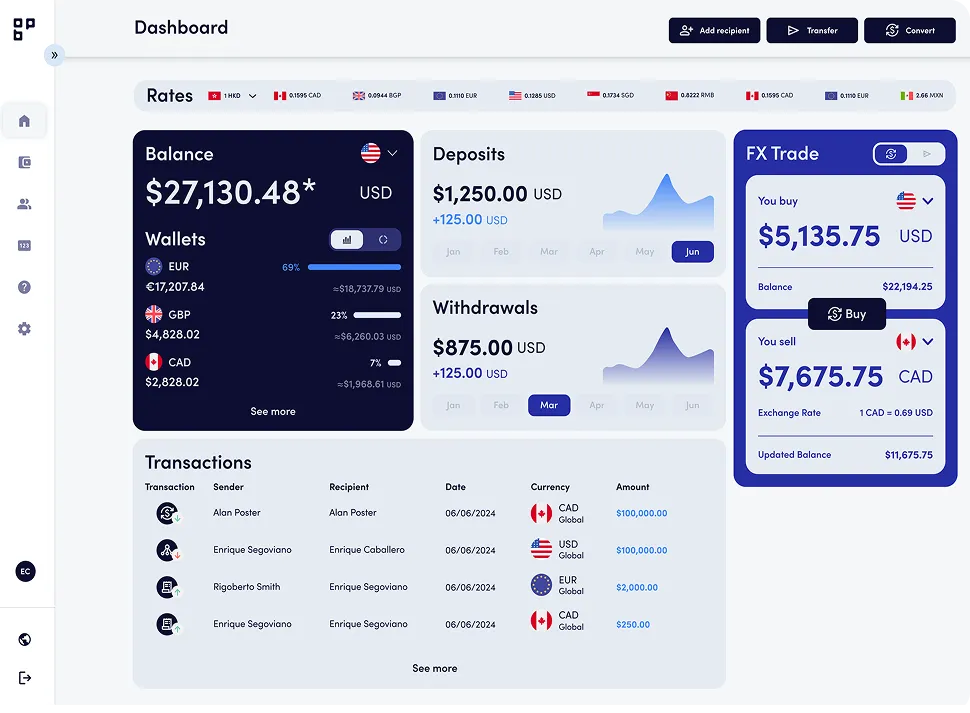
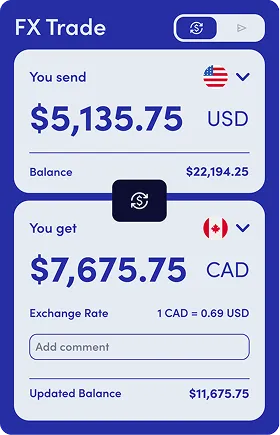
Banpay unifies global currencies on one platform: access over 39 currencies across 180 countries and manage all your multicurrency accounts from a single dashboard. We make your transactions faster, smarter, and more cost-effective.
Opening an Account
It's simple! Just leave your details under 'Open Account' on our website, and we'll get in touch soon to guide you through the process.
To get to know you better and make the process easier, we'll need a few documents from you. Here's what we'll need, and we may ask for additional information. For Businesses: 1. Government-Issued. Provide documents confirming your company's legal status (requirements may vary by country), including its legal name, address, and business registration number. a. For Corporations:
- Certificate of Incorporation.
- Certificate of Good Standing.
- Annual Report.
- Annual Report signed by an audit firm.
- Letter or assessment notice from a municipal, provincial, territorial, or federal government.
- Partnership Agreement.
- Similar registration confirming your entity's legal existence.
- Annual Report signed by an audit firm.
- Letter or assessment notice from a municipal, provincial, territorial, or federal government.
- A government-issued photo ID.
- Proof of address.
- Canadian-based corporations, partnerships, and individuals (excluding those in the province of Québec).
- European-based corporations, partnerships, and individuals.
- American-based corporations, partnerships, and individuals.
- Hong Kong-based registered companies.
- Mexican-based corporations.
For each business, you'll need a separate email, so make sure to use a unique one for each, as it’s required to complete the process and manage operations.
Once your account is open, you'll get an email with your credentials. From there, you can change your password and start using your multi-currency account.
It’s a quick process. We usually need just 2-3 business days to verify your account.
Absolutely! We're here to support Canadian businesses. Open your account online and manage money globally.
Funding an Account
Fund your local CAD account by signing a Pre-Authorized Debit (PAD) Agreement or by using an Electronic Funds Transfer (EFT). PAD: Allows you to transfer funds directly from the Banpay platform in a convenient and automatic way. EFT: Provides a secure option to transfer funds to your account.
Security and Privacy
Your money is held in segregated accounts with tier-one banks, ensuring that in the unlikely event of Banpay ceasing to exist, your funds remain protected. Banpay has no rights over your funds beyond what is specified in our Terms & Conditions, which safeguards your assets and ensures they are not used for any other purpose.
Yes, your funds are protected by our electronic money partners, regulated by the FCA, within a trusted financial institution. Banpay has no rights over your funds except as outlined in our Terms and Conditions.
We keep your information secure with cutting-edge technology:
- Our platform uses HTTPS and HSTS to ensure safe, uninterrupted, and fully protected browsing.
- Regular security tests to identify and block potential vulnerabilities.
- Advanced encryption for your data, passwords, documents, and images.
- Two-factor authentication with one-time passwords sent through secure channels.
- 24/7 monitoring to keep everything running smoothly.
Banpay is regulated by FINTRAC and is registered as a Money Services Business, with registration number M21345132.
Using Your Account
We move your money quickly, but timing depends on how you loaded funds. EFTs are faster, while wires may take 3-5 business days.
We want your transfer to get there fast. We’ll give you an estimated delivery time before you confirm the transaction. The exact timing depends on a combination of factors, including: Payment method: EFTs are quick, while wire transfers may take more time. The day and time you make your transfer matters: Your money moves during business banking hours, so transfers sent after hours or on holidays may take longer to complete. The countries where you are sending your funds: Every country has its own way of processing money. Currency conversions may take two or more business days, but they are usually much faster. Security checks: Sometimes we need to verify your information, which could include asking for your ID, address, source of funds, or an invoice. This extra step helps keep your money safe, though it may add some time to complete the transfer.
No worries, everyone makes mistakes! Here's what you can do:
- Contact our support team at support@banpay.com right away.
- If your funds have already been transferred to the recipient's financial institution, follow these steps:
- Get in touch with the recipient and let them know there was an issue with the bank details (e.g., wrong account number).
- The recipient will need to reach out to their bank to check if the funds can still be delivered or if the bank will return them to Banpay.
- If the recipient's bank returns the funds, we'll notify you via email.
Yes, you can send money within Canada using EFT. Just get these details from your recipient:
- Full legal name, address email and phone number.
- 3-digit institution number.
- 5-digit transit number for the branch.
- 7-12 digit account number.
You can find your banking details by selecting "Account Details" for each account directly from your dashboard.
Yes, you can send domestic wire transactions from your Global Account. Just make sure you have your recipient’s details, including:
- Full name, address, email and phone number.
- Financial institution’s name and branch address.
- 3-digit bank number.
- 5-digit transit number.
- 7-12 digit account number.
Yes, there’s one thing to keep in mind: You can’t send CAD to a Canadian bank account that is in USD. Double-check that the account is in CAD before hitting send!
Yes, you can send international wire transfers from your Global Accounts. All you need is the recipient’s information, including:
- Full name and address (including the country).
- Financial Institution’s full name and branch address.
- Recipient’s bank account information:
- Account Number (e.g. IBAN, CLABE, BBAN).
- Bank Number (e.g. BIC, SWIFT, Routing Code).
- Branch ID (Branch Code).
- Currency of the recipients account.
No, Banpay doesn’t accept credit card payments from customers at this time. Instead, share your account details in the preferred currency and ask your customer to deposit funds directly into your Banpay account.
Having issues with your password? No worries, we’ve got you covered! Just follow these simple steps to reset it.
- Log into your Banpay account.
- Click on your name.
- Select Settings.
- Click Change Password.
- Enter your current password and your new password.
- Click OK.
- We’ll send you a confirmation email once it’s done.
No problem!Let's reset it now! Password recovery flow:
- Click on "Forgot Password" on the login screen.
- Enter your email address in the provided field.
- Check your inbox for an email containing a recovery link.
- It may have landed in your Spam or Junk folder. Please double-check!
- The email address you entered isn’t the one linked to your Banpay account, or it might have a typo. Please try submitting it again.
- The email you used to sign up is incorrect or inactive. Check out this help page to learn how to update your email address.
You can’t change your email directly through the mobile app or web platform. To update it, here’s what you need to do:
- Contact our support team: Send an email to support@banpay.com requesting the change.
- Provide the required documents: To keep your account secure, we’ll need you to complete a quick KYC verification.
- Wait for confirmation: Our team will review your request and let you know once your email has been updated.
No worries! If you need to update your registered email, here’s what to do:
- Contact our support team: Send an email to support@banpay.com with your request.
- Provide the required documents: For security reasons, we’ll ask you to complete a quick KYC verification.
- Wait for confirmation: Our team will review your request and update your email. We’ll let you know as soon as it’s done!
To update your business information, here’s what you need to do:
- Contact our support team: Send an email to support@banpay.com with your request.
- Provide the required documents: For security reasons, we’ll ask you to complete a quick KYC verification.
- Wait for confirmation: Our team will review your request and update your email. We’ll let you know as soon as it’s done!
We handle security, you handle business. We continuously monitor suspicious transactions or activities. If something unusual is detected, we’ll look into it as soon as possible. In most cases, we can resolve the issue quickly and unlock your account. However, we may need to request additional information to verify your identity. We’ll send you an email with further instructions or confirmation once your account has been unlocked. If you need assistance, feel free to email us at support@banpay.com
PRICING
Banpay offers an easy-to-use platform, providing more affordable solutions than traditional banks. Hidden fees? Not with us. Banpay offers transparent pricing and smart tools for your multicurrency transactions.
*Check out our pricing here
Here are the currencies you can use to move your money across borders:
- Australian Dollar (AUD)
- Japanese Yen (JPY)
- Saudi Riyal (SAR)
- Bahraini Dinar (BHD)
- Singapore Dollar (SGD)
- Canadian Dollar (CAD)
- Kuwaiti Dinar (KWD)
- Chinese Yuan (CNY)
- Malaysian Ringgit (MYR)
- Swedish Krona (SEK)
- Czech Koruna (CZK)
- Mexican Peso (MXN)
- Swiss Franc (CHF)
- Danish Krone (DKK)
- New Zealand Dollar (NZD)
- Thai Baht (THB)
- Euro (EUR)
- Norwegian Krone (NOK)
- Turkish Lira (TRY)
- Hong Kong Dollar (HKD)
- Omani Rial (OMR)
- Ugandan Shilling (UGX)
- Hungarian Forint (HUF)
- Philippine Peso (PHP)
- British Pound Sterling (GBP)
- Indian Rupee (INR)
- Polish Zloty (PLN)
- UAE Dirham (AED)
- Indonesian Rupiah (IDR)
- Qatari Rial (QAR)
- US Dollar (USD)
- Israeli Shekel (ILS)
- Romanian Leu (RON)
We connect to 180 countries, making sure your money gets where it needs to go.
- Local payments via SPEI: Between 1 and 2 business days.
- International payments via SWIFT: Over 15 business days in some cases.
At the moment, your Banpay account operates independently and cannot be connected to other group accounts.
You’re in control: you can receive and hold balances in the currency that suits you best.
We don’t use tokens at the moment, but our Multi-Factor Authentication gives you the security you need.
Transaction limits may vary depending on your company's profile setup. If you have any questions, our support team is here to help at support@banpay.com
As part of our security measures, we review transactions that are unusual for your business. If necessary, we may request supporting documentation to validate them.
If your payment isn’t showing up, reach out to us at support@banpay.com, and we’ll get back to you as soon as possible.
Closing an Account
We hate to see you go! Please let us know if we can do anything to help. Before closing your account, make sure to:
- Withdraw any remaining balance to your linked bank account
- Download your monthly statements
- Contact us at support@banpay.com to request account closure
Banpay Corporate Virtual Cards: Everything You Need to Know
Creating and Managing Cards
| Features | Owner Cards | User Cards |
|---|---|---|
| Use Case | Corporate cards are good for business purchases that are typically made online and on behalf of the entire Corporate or specific teams and departments. This could include purchases such as software subscriptions, office supplies, supplier payments, and marketing expenses. | Additional cards are great for individual employee purchases either made online or in person. This could include travel expenses like airfare or hotels and incidental purchases like coffee or snacks. |
Admin users can create Corporate Cards in their accounts by following the steps below.
Step 1. Click the 'Cards' section of your account, then 'Create card'
Step 2. Select ‘Corporate card’
Step 3: Select the card purpose, set spending limits, and configure a nickname
Step 4. Select up to 3 users in the account to assign as card users for the card
Step 5. Review and click ‘Create card’
A Corporate Card user is an authorized user responsible for making purchases on a virtual Corporate Card.This has been designed to help delegate corporate purchases to your employees.
Who will be the default Corporate Card user? For all your existing Corporate Cards: The account owner will be the default card user.
What can a Corporate Card user do on my account? Corporate Card users can do the following on the Corporate card(s) they have been assigned to:
- View all card details
- Freeze/unfreeze the card
- Authorize transactions, via two-factor authentication (2FA) codes
Who can assign a Corporate Card user? Only card admins can assign and edit the card users on a Corporate card.
Who can I assign as a Corporate Card User? If you are a card admin, you can assign any invited user as a card user.
How many card users can I have on a Corporate card? You must have at least 1 card user assigned to a Corporate card
I have a lot of Corporate cards, can I edit the card users in bulk? No, unfortunately you can only edit the card users on a card one at a time
If you've just created a new card for a brand-new user on your Banpay account, they'll have received 2 emails from us:
- Invitation to join your Banpay account
- Notification that you've created a card for them
The link in the email inviting them to join your Banpay account expires after 14 days.
To resend that invitation, follow these steps:
Step 1. Click on Account > User Management in the menu on the left. Find your user and click the 3-dot button. Click ‘Resend invitation’.
Step 2. Your user will receive a new email. Ask them to click 'Join account' in the email to begin signing up
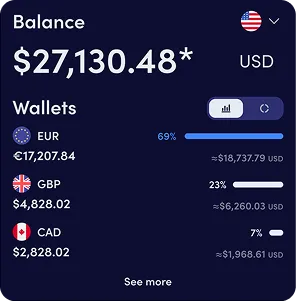
When you create one or multiple Banpay Virtual Cards, they will always be funded directly through your Wallet Balance. This means that if a card payment is declining due to insufficient funds, you may have to top up your Wallet to sufficiently fund your card(s).
About our multi-currency cards
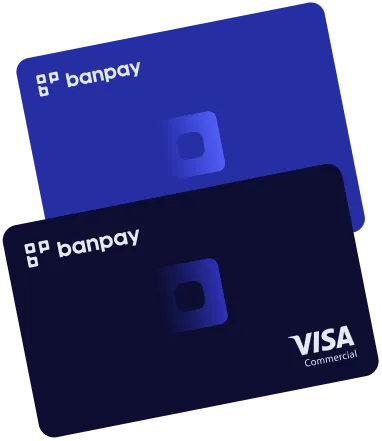
Banpay issues multi-currency cards that can be used for transactions in any currency supported by Visa.
If you have sufficient balance in your Banpay wallet, you can transact in any of the direct billing currencies below, without any further charges or conversion fees.
For a transaction in other currencies supported by Visa, we will attempt to debit an equivalent amount from your wallet, based on your primary currency. You can change your primary currency for card transactions by going to Cards > Settings. Learn more about our primary currency and auto-conversion settings.
Direct Billing Currencies
Banpay offers the following direct billing currencies:
#, Currency Code, Currency Name
- USD, United States dollar
- EUR, Euro
- JPY, Japanese yen
- GBP, British pound
- AUD, Australian dollar
- HKD, Hong Kong dollar
- SGD, Singapore dollar
- CAD, Canadian dollar
- NZD, New Zealand dollar
- CHF, Swiss franc
- ILS*, Israeli Shekel
- DKK**, Danish Krone
- NOK**, Norwegian Krone
- SEK**, Swedish Krona
- PLN**, Polish Zloty
*Available for cards issued to businesses based in Israel
**Available for cards issued to businesses in Europe
All cards have a default transaction limit of 50,000 USD or equivalent in another settlement currency. You can set a lower transaction limit on the card by clicking the 'Cards' tab on your Banpay account, selecting the card, clicking 'Add a limit' and selecting the desired frequency and amount.
To edit or delete the limits set on a card, follow the steps mentioned below:
Log into your Banpay account and click the 'Cards' tab
Find the card you wish to edit, then click the drop-down ‘Manage card’ and select ‘Edit card limits’
Existing spending limits can be changed on the next screen, by updating the amount in the box provided
To add a new limit, click the ‘+ Add a limit’ option and set an amount & frequency.
To delete a limit, select the bin button next to the limit
Automatic conversions use your home currency to help prevent card payments from failing. If you have insufficient funds to complete a card purchase in 1 of the 10 currencies listed below, we will use the available funds in your home currency.
The 10 currencies: AUD, CAD, CHF, EUR, GBP, HKD, JPY, NZD, SGD, USD
We will first check if funds are available in your purchase currency balance. If not, we will check whether your home currency balance can cover the entire purchase amount. If it can, we will deduct it from your home currency balance at the prevailing foreign exchange rate plus an auto-conversion fee
Examples of Card Purchases:
Rachael has $50 USD and $150 AUD in her wallet balance, and her home currency is AUD. At the time she makes the card transaction, the exchange rate is 1 USD = 1.50 AUD.
| Scenario | Spend | AUD Balance ($150 AUD equiv. to $100 USD) | USD Balance ($50 USD) | Outcome |
|---|---|---|---|---|
| Rachael spends 80 AUD at a local shop. She has enough AUD to cover it, so 80 AUD is deducted. | $80 AUD | Sufficient balance (-80 AUD) | No changes | Success |
| Rachael spends 30 USD on Amazon US. She has enough USD, so 30 USD is deducted. | $30 USD | No changes | Sufficient balance (-30 USD) | Success |
| Rachael only has $50 USD but wants to pay $60 USD ($90 AUD). Since AUD is her main currency and she has enough ($150 AUD), 90 AUD is deducted. | $60 USD | Sufficient balance (60 USD = -90 AUD) | Insufficient | Success |
| Rachael only has $50 USD and wants to pay $120 USD ($180 AUD). Her AUD balance ($150 AUD) isn't enough, so no auto-conversion happens. | $120 USD | Insufficient balance | Insufficient | Declined |
| Rachael only has $150 AUD and wants to pay $180 AUD. Since there’s not enough in her main currency, the transaction doesn't go through. | $180 AUD | Insufficient balance | No changes | Declined |
Examples of Card Refunds:
In the event where your card purchase is refunded by the merchant and the purchase was in 1 of the 10 currencies (AUD, CAD, CHF, EUR, GBP, HKD, JPY, NZD, SGD, USD), the refund will be credited in the purchase currency. In all other situations, the refund will be automatically converted back to your home currency.
| Scenario | Merchant Price | You Paid | Merchant Refund | You Receive |
|---|---|---|---|---|
| Rachael paid 80 AUD at a local shop and 80 AUD was deducted. She returned the items and the shop issued an 80 AUD refund. The 80 AUD is credited back to her AUD wallet. | $80 AUD | $80 AUD | $80 AUD | $80 AUD |
| Rachael paid 60 USD ($90 AUD) on Amazon US and 90 AUD was deducted. She returned the items and Amazon refunded 60 USD. In this case, the 60 USD is credited back to her USD wallet. | $60 AUD | $90 AUD | $60 USD | $60 USD |
| Rachael paid 1,000 THB (equiv. to $50 AUD) at a shop in Thailand and 50 AUD was deducted. She returned the items and the shop refunded 1,000 THB. The equivalent of 1,000 THB in AUD (*$47 AUD) is credited to her AUD wallet. | $1,000 THB | $50 AUD | 1,000 THB | $47 AUD* |
Handling Card and Transaction Issues
Why did my card payment fail?
Your card may have a spending limit on individual transactions and also limits how much you can spend per day/week/month. Any transactions that exceed those limits will unfortunately fail. You can see the limits that apply to your card in your account, just beneath the card details.
If your payment fails but you haven't exceeded any of your card limits, it may be that the business your card is associated with doesn't have sufficient funds in their Banpay wallet for you to make the payment. You may not be able to see the overall account balance, depending on your user's permissions, so it's best to speak to an Admin on the account so that they can check the balance and make a deposit if needed.
Insufficient funds can occur in 2 scenarios.
1. If the transaction was made in the currency where we support direct billing, we will attempt to deduct the transaction amount first through the direct billing currency, then through the primary currency wallet you have selected. If the wallets do not have sufficient funds, the transaction will decline.
Do note we will only deduct the funds if either of your wallets has sufficient funds for the entire transaction amount. We will not be able to debit your wallet if you only have partial amounts in both wallets.
2. If the transaction was made in a currency where we do not support direct billing, we will attempt to deduct the transaction amount through the primary currency wallet you have selected. You can check and select your primary currency through your Webapp, under the Cards section, within the Settings tab.
Failure message - 'Insufficient balance
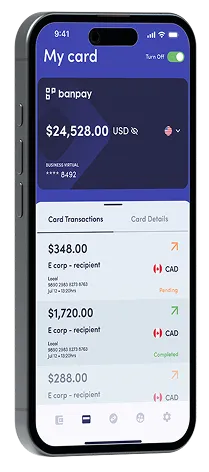
What is a Pending card transaction?
When you use your card to buy goods or services, an online check is done to make sure your card is valid and that you have enough money to pay.
We authorize your transaction, and it will show as ‘pending’ on your account until the payment has been fully processed.
While a transaction is pending, the amount is deducted from your available balance, not your account balance.
How long will a transaction remain Pending?
Transactions should not stay PENDING for longer than 11 business days, although in some exceptions, it can take up to 31 business days. These exceptions are for transactions primarily related to Travel, Airline, Lodging, Bars, Rental, Courier and for merchants from Japan.
Can I stop or cancel a card transaction while it’s Pending?
We’re unable to stop or cancel a pending transaction until it has been fully processed, even if the card is frozen or cancelled.
Don’t recognize a transaction? You need to wait until the transaction is no longer pending and has been fully processed if you wish to dispute it.
What is a Reversed Card transaction?
A Pending card transaction can turn into a Reversed transaction if the merchant you are purchasing from has decided not to go through with debiting your account. A common example of this is a security bond that hotels and car rental companies will hold temporarily and return to you at the end of your trip. Reversed transactions have not debited your account, but we will show you the amount that was originally authorized for your convenience.
Can the debited transaction amounts be different from pending amounts?
Sometimes, the amount that is successfully debited from your account may be different to the amount that was authorized in the pending transaction.
Example 1: You order 4 items costing $25 each, and the merchant asks us to authorize a $100 payment. This appears to be a pending transaction. One of the items is ready for delivery before the other three, so the merchant completes that $25 transaction. You’ll see $25 successfully debited from your card, while $75 stays pending.
Example 2: You pay for a hotel before your stay, and the hotel asks us to authorize a $200 payment. This appears to be a pending transaction. You consume $20 worth of food & drink from the mini bar inside the room. At the end of your stay, you’ll see $220 debited from your card balance.
This article explains how you can freeze or cancel a Corporate or employee card.
Freezing your card prevents any further transactions from being made on it virtually, physically, or on any of your devices (Google Pay / Apple Pay). It is reversible, and you can unfreeze your card easily in your account.
Cancelling your card permanently closes the card. Please note that once your card is cancelled, the action cannot be reversed.
To freeze or cancel your card, navigate to your card details page. In the “Manage card” dropdown, you will see the options to freeze or cancel.
This article explains why you may see card transactions processed on your cards shortly after you freeze or cancel them.
When you freeze or cancel one of your Banpay cards, this will prevent any and all future transactions made on this card from going through.
However, if you have any card transactions in PENDING status when you freeze or cancel the card, you may still see these transactions go through. This is because a card transaction in PENDING has already been approved by Banpay and is now waiting for the merchant to authorize the payment, which they have a certain period of time in which to do so. If the merchant approves one of these transactions, it will go through even though your card has been deactivated, as the transaction no longer sits with Banpay.
Freeze or cancel
your card if it’s lost, stolen, or you see anything suspicious.- Boost your security: don’t use public computers or WiFi, don’t write your card details anywhere, and keep your devices updated.
- Only buy on secure websites (look for the padlock icon).
- Pay safely using things like PayPal or trusted payment gateways.
- Protect your personal info: use strong, unique passwords and don’t share or write them down.
- Never let anyone access your computer remotely.
- Don’t share your card details through email, text, or calls.
- Be cautious with random emails and pop-ups (phishing).
- Remove access for ex-employees and cancel any cards they use.
- Stay updated on the latest scams.
If multiple cards were hit someone probably has access to your account → remove unwanted users and make everyone change their password.
Signs someone is a scammer: they get annoyed if you say you’ll call support, they ask for your card, use you at odd hours, pressure you to pay now, ask for remote access, or email you from a weird address.
What to do: don’t click anything, hang up, and verify directly using the Corporate’s official user info (not the one they give you).
If your card might be compromised: freeze it immediately and start the dispute process.
A transaction dispute occurs when a cardholder questions the validity of a transaction in order to get a refund. Disputes can occur for a variety of reasons, such as the cardholder did not receive merchandise or services, was charged incorrectly, or did not authorize the transaction.
Here are the four dispute categories in the VISA network:
- Fraud Disputes: Transactions that the cardholder claims they did not authorize fall into this category. This includes any transaction that the cardholder states were made without their knowledge or consent, which is often the result of theft, card loss, or compromised card details.
- Authorization Disputes:
These disputes arise when the cardholder claims that the merchant failed to obtain proper authorization for the transaction. This could be due to an expired authorization, a declined authorization, or an incorrect transaction amount. - Processing Errors: This category deals with disputes related to mistakes made during the transaction process. Examples include duplicate processing, incorrect transaction amounts, transactions with invalid account numbers, or transactions posted with incorrect currency codes.
- Consumer Disputes:Consumer disputes happen when cardholders report issues with the goods or services provided.Types of consumer disputes include not receiving the goods or services, goods or services not being as described or standardized, merchandise returns, or cancellations, as well as disputes involving a merchant’s failure to issue a credit.
Considerations before initiating a dispute
- Fraud Chargeback rights According to the "Types of Transaction Fraud and Understanding Your Liability" article, the network can only process fraud disputes if the liability is assigned to the merchant/acquirer.
- Transaction type Disputed transactions in question must be captured and processed before we can proceed with raising a dispute. This means that any transactions that are still in a pending status cannot be disputed at this time.
- Time limit
- Fewer than 110 calendar days have passed since the business captured the transaction.
- However, if you plan to file Authorization Disputes, this deadline is shorter, which is within 65 calendar days after the transaction is captured.
- Disputed transaction number restriction In the case of VISA card-absent Fraud Disputes , the number of disputed transactions permitted per card is capped at 35 in the last 120 days.
- The associated card has not been linked to any prior fraudulent activities.
- VISA's policy states that fraudulent transactions occurring after the card has been reported fraudulent don't have chargeback rights.
- To prevent further losses, please cancel your card completely. Check the guide here
- Unsupported dispute scenarios
- Friendly fraud, also referred to as "chargeback fraud", is a type of fraud that occurs when a customer disputes a legitimate charge that they made on their credit card, debit card, or another payment method.
- Fraudulent returns: cardholders falsely claim that they did not receive the merchandise or that they returned it to the merchant when, in fact, neither of those statements is true.
- Disputes for non-fraudulent reasons where the required evidence or information is missing.
- Cases that don’t fit into any network dispute reasons.
All rights reserved by Banpay on the interpretation and definition of unsupported dispute scenarios.
Important information and supporting evidence required for each dispute reason
Dispute resolution is a process guided by specific network policies. These policies outline the reasons for disputes and the corresponding requirements. Participants must strictly adhere to these policies when raising disputes. Insufficient information or evidence may hinder the ability to raise a dispute.
Suspected fraud / unauthorized / unrecognized transaction
| Necessary information required | Supporting evidence required |
|---|---|
| - | Not mandatory, better to provide the description of this dispute |
Merchandise/Services Not Received
| Necessary information required | Supporting evidence required |
|---|---|
| Detailed description of what was purchased | - |
| Provide an explanation of the dispute | - |
| What was the last expected receipt date? | Proof of the last expected receipt date, such as the conversation with the merchant or terms and conditions from the merchant. |
Not as Described
| Necessary information required | Supporting evidence required |
|---|---|
| Provide details of what was ordered and not as described | A transaction receipt or alternative proof from the time of purchase where the merchant precisely described the merchandise |
| Date merchandise or service was received | - |
| If services: 1. Cancellation date 2. Cancellation reason | Screenshot of the cancellation |
| If merchandise: 1. Return date 2. Date the merchant received the returned merchandise 3. Returned method, such as:
| Tracking the number of the returned method. |
Damaged/Defective Merchandise
| Necessary information required | Supporting evidence required |
|---|---|
| What was ordered and how was it damaged or defective? | - |
| If you have already received the merchandise, you must return the merchandise before raising the dispute and provide the following information: 1. Date merchandise was received 2. Return date 3. Date the merchant received the returned merchandise 4. Returned method, such as:
| Tracking the number of the returned method. |
| If services, type of service: 1. Timeshare 2. Guaranteed Reservation 3. Other | - |
Cancelled Merchandise/Services
| Necessary information required | Supporting evidence required |
|---|---|
| What's the cancellation date and reason | - |
| If you have already received the merchandise, you must return the merchandise before raising the dispute and provide the following information: 1. Date merchandise was received 2. Return date 3. Date the merchant received the returned merchandise 4. Returned method, such as:
| Tracking the number of the returned method. |
| If services, type of service:
1. Timeshare 2. Guaranteed Reservation 3. Other | - |
Cancelled Recurring Transaction
| Necessary information required | Supporting evidence required |
|---|---|
| What's the Date when the cardholder withdrew permission to charge the Payment Credential or the date the Merchant was notified that the account was closed | Details used to notify the Merchant, such as an email address, telephone number, or physical address |
Credit Not Processed
| Necessary information required | Supporting evidence required |
|---|---|
| Date of credit voucher, transaction receipt or refund acknowledgement. | The voucher/receipt/acknowledgement |
Duplicate Processing
| Necessary information required | Supporting evidence required |
|---|---|
| - | - |
Paid by Other Means
| Necessary information required | Supporting evidence required |
|---|---|
| If both transactions are not for the same merchant or on the same card, describe what kind of payment was used | Proof of payment by other means |
Other
| Necessary information required | Supporting evidence required |
|---|---|
| Please describe the background information and why you would like to file a dispute | - |
Dispute Steps and Timeline
The network typically takes 45 to 90 days to resolve a dispute.
Still need help?
We’re here to assist! Send your question to our support team at: support@banpay.com